Designing a Web3 Gaming Console OS

PlaySolana case study visual 1

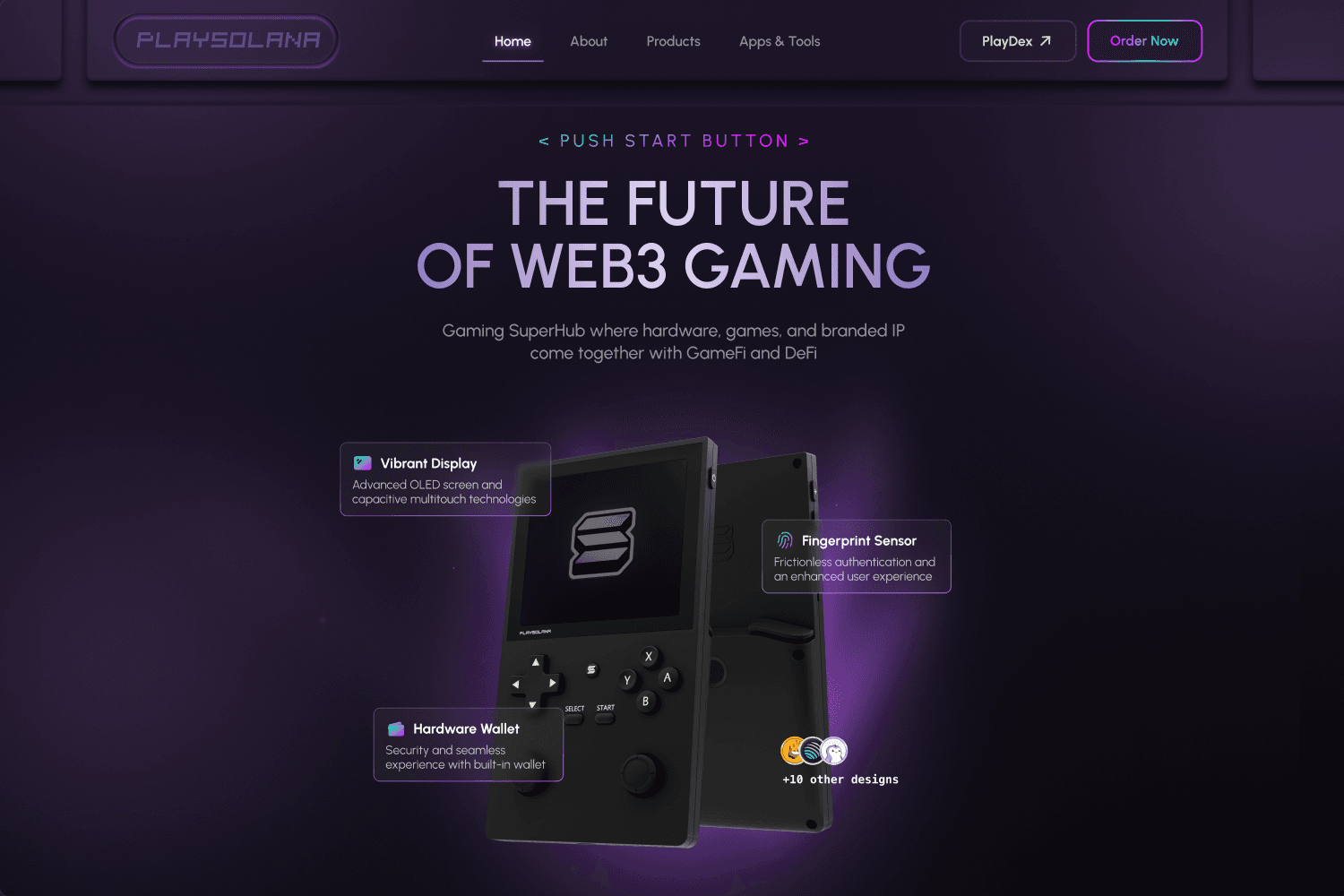
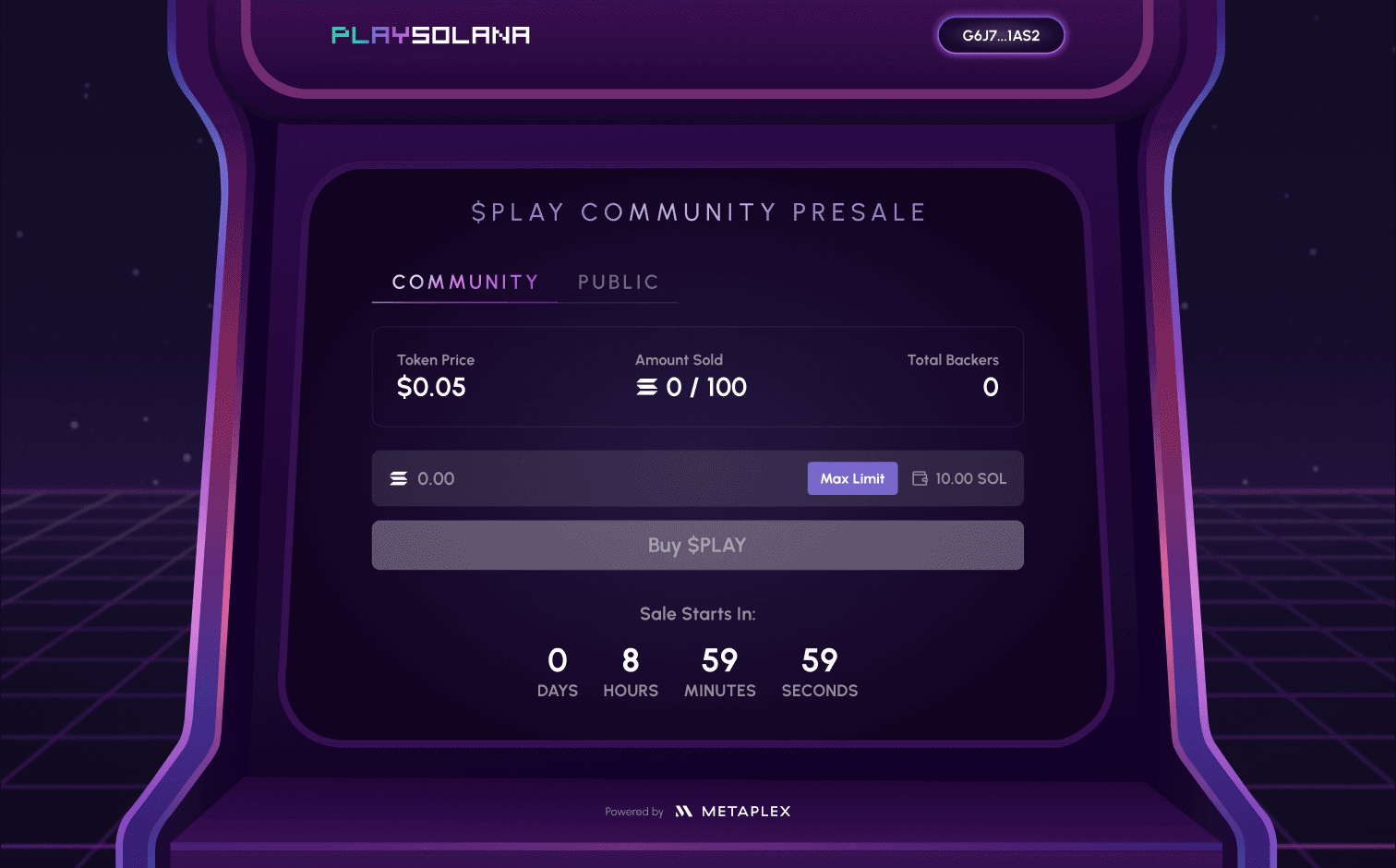
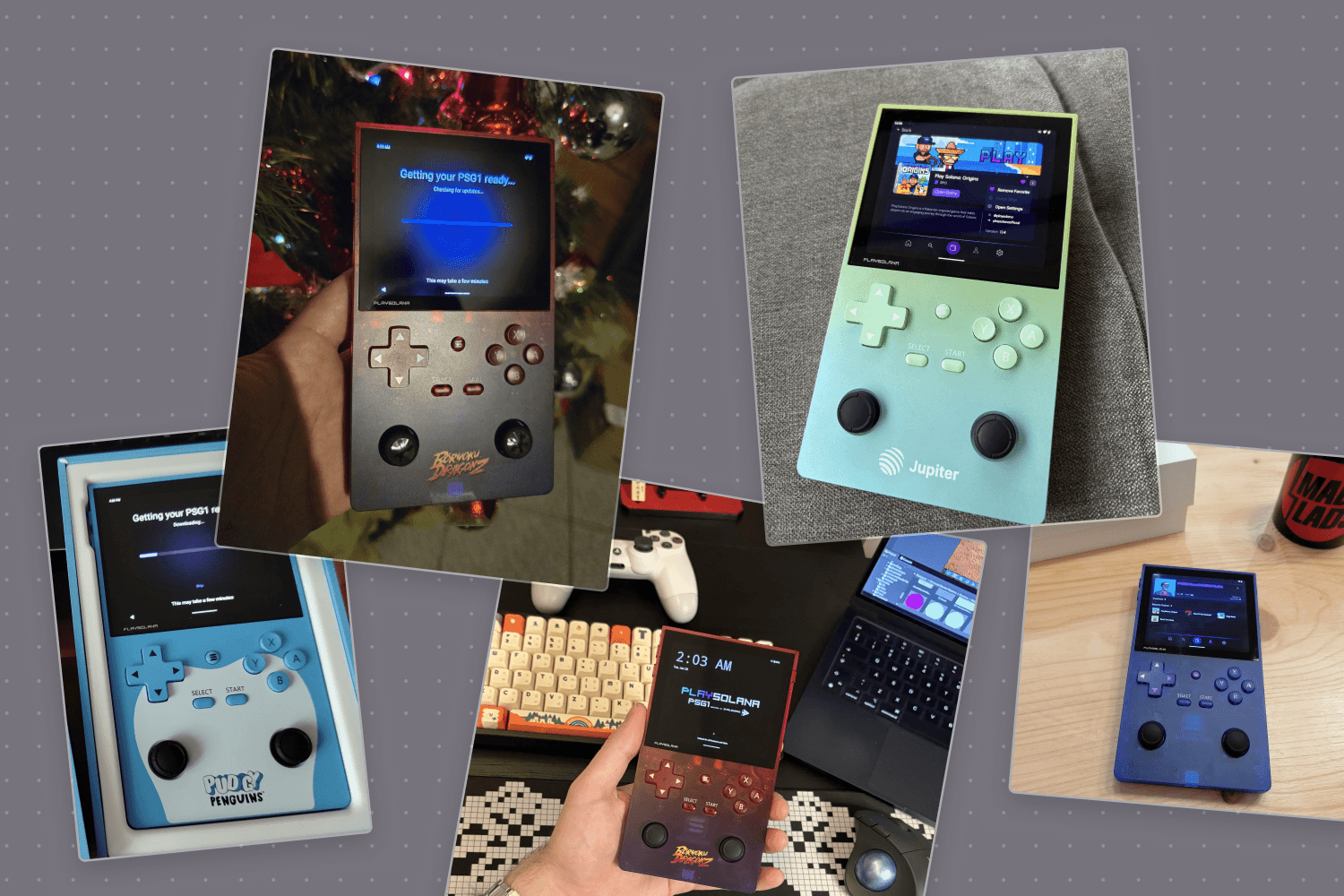
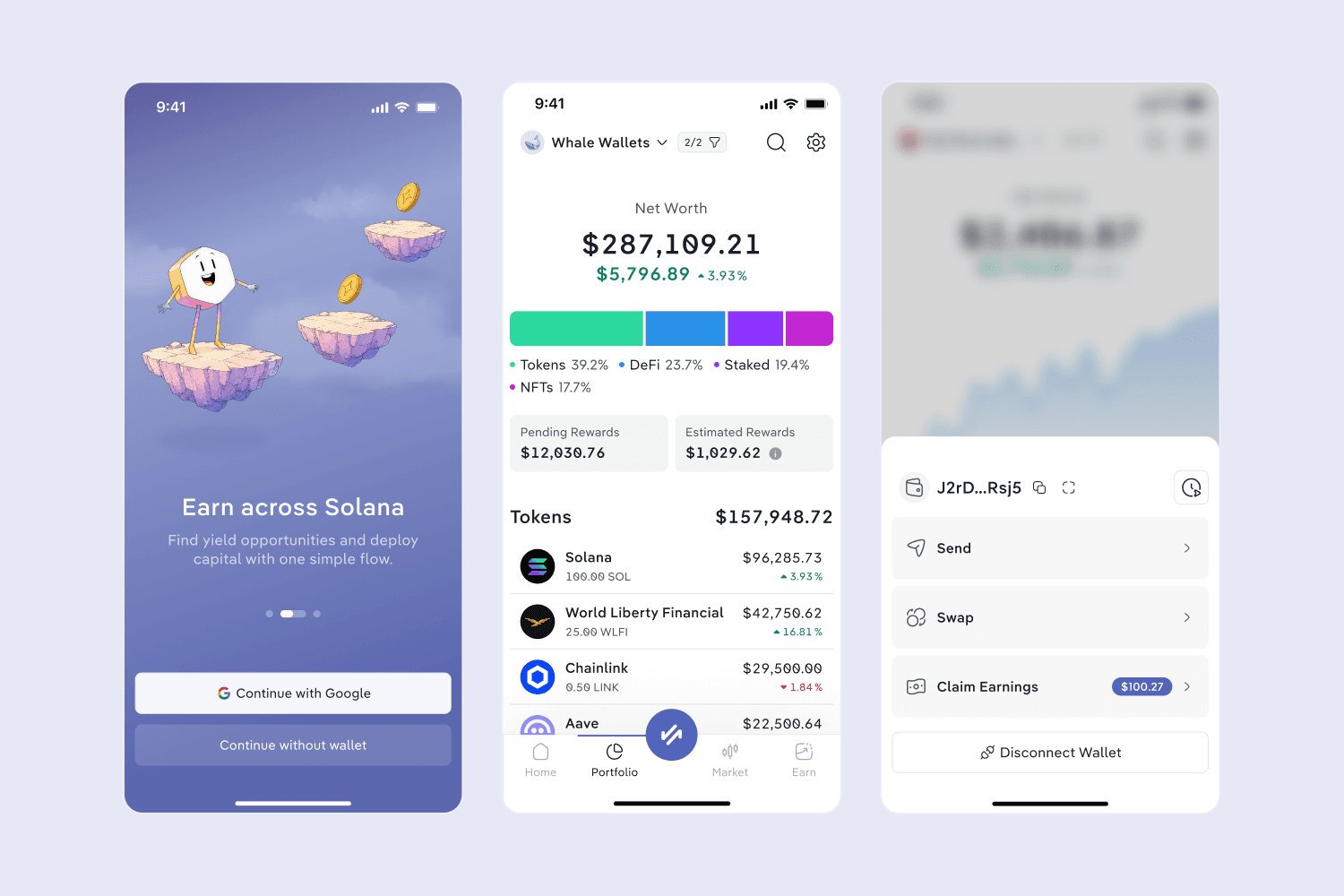
PlaySolana set out to build the PSG1, a handheld gaming console that combined traditional gaming with web3 capabilities, including a built-in hardware wallet. I was brought in as the sole product designer to design the full product experience from scratch, covering the console OS interface and ecosystem tools.

The challenge

Designing a console OS is fundamentally different from designing for web or mobile. The PSG1 had a small screen, hardware buttons combined with touch screen, and needed to serve two very different audiences: casual gamers who just wanted to play and crypto-native users who wanted to interact with their wallet.

Constraints

  • Navigation driven by physical buttons
  • Novel product category, No established design patterns to borrow from
  • Had to accommodate gaming and wallet functionality

OS Interface

Information hierarchy

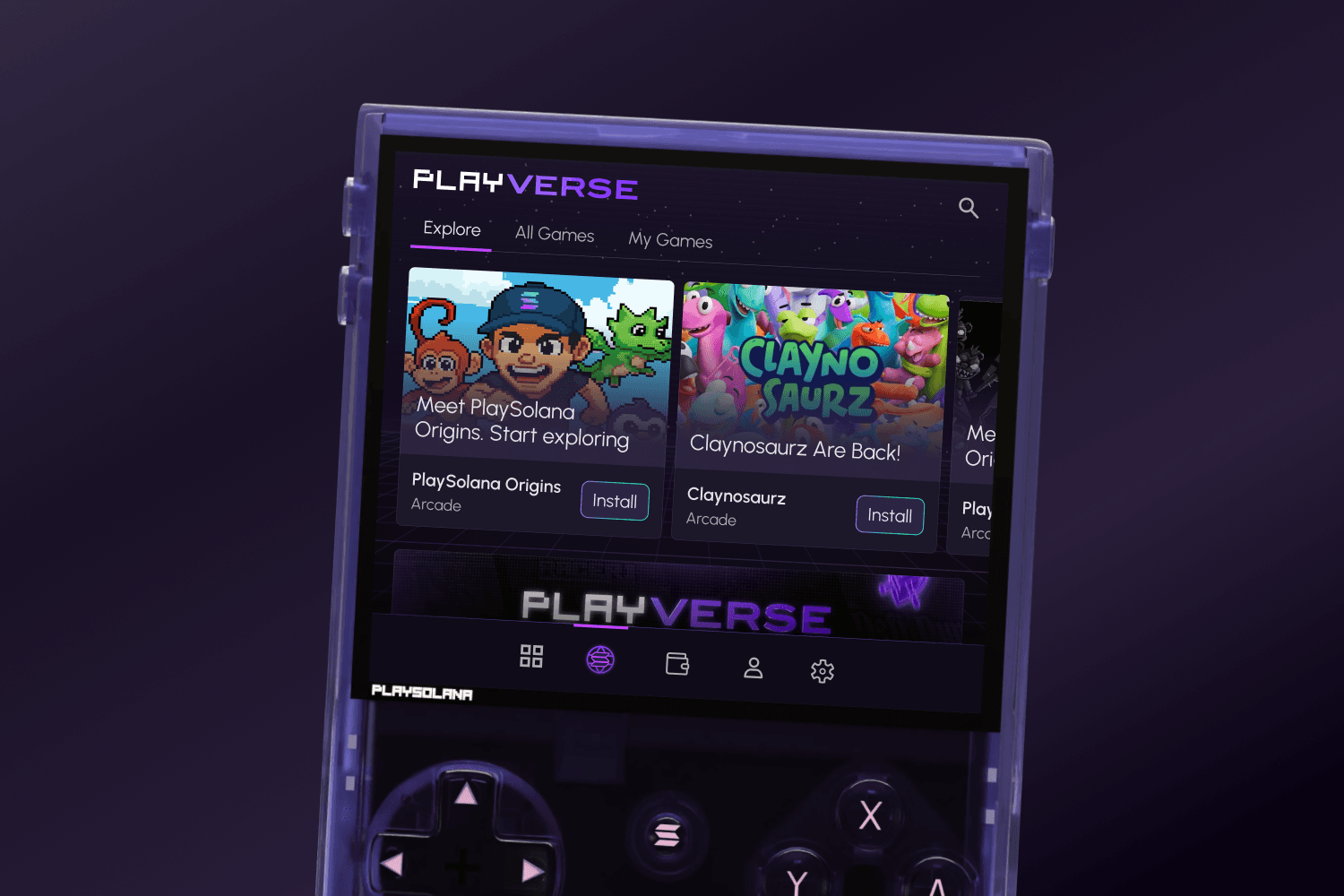
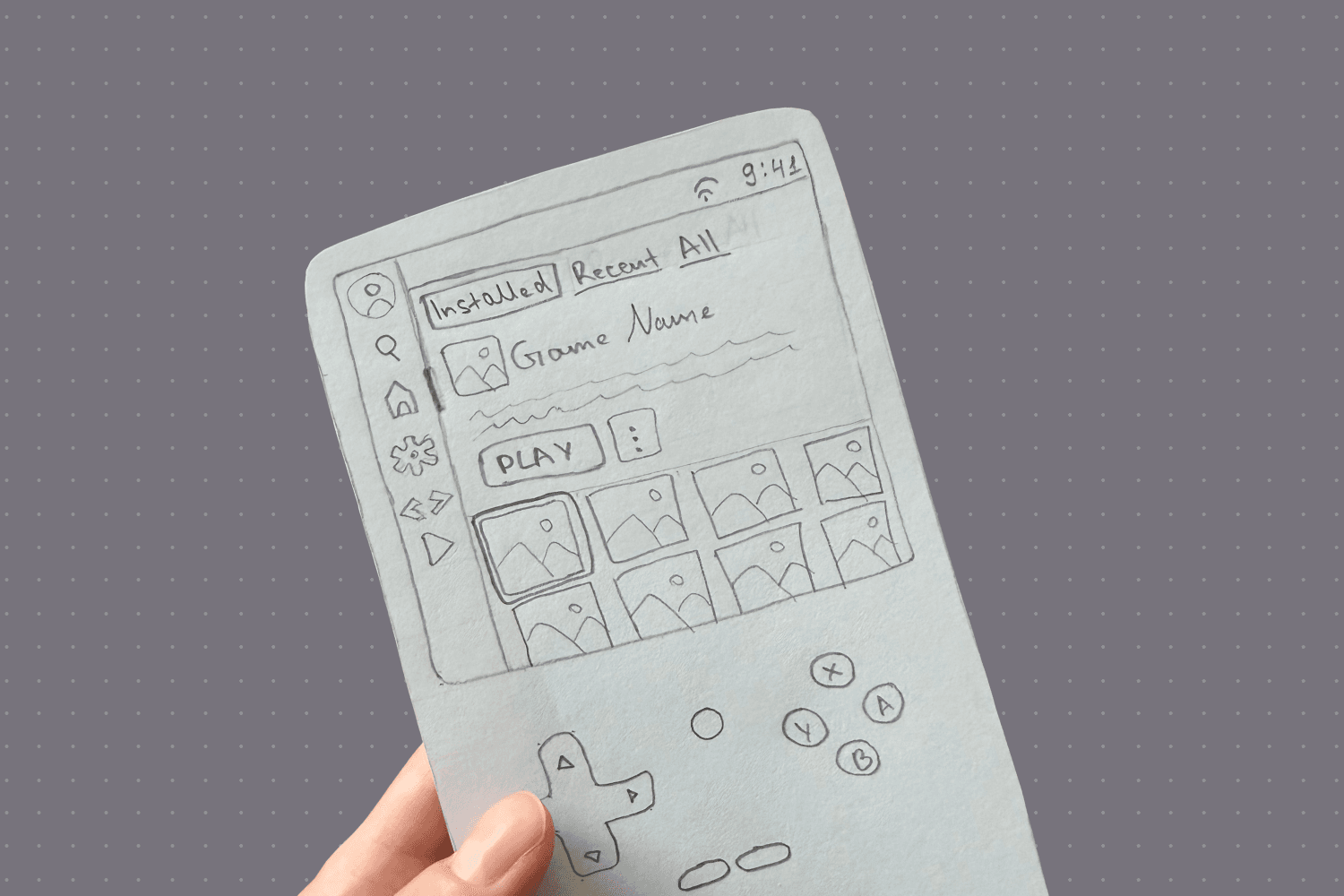
The home screen needed to balance recently played games, new releases, and wallet/DeFi entry points without feeling cluttered on a small display. I prioritized gaming first, with web3 features accessible but not intrusive - meeting users where they were rather than leading with crypto.

PlaySolana case study visual 2PlaySolana case study visual 3

Navigation model

With physical buttons as the primary input, every interaction had to work through directional navigation and a select/confirm scheme - while still feeling intuitive on a touchscreen. I designed a navigation system that felt familiar to anyone who had used a handheld console, using clear focus states, predictable directional logic, and consistent button mappings throughout the OS.

PlaySolana case study visual 4

Outcome

The PSG1 launched successfully, achieving thousands of device purchases.

PlaySolana case study visual 5